博文

目前显示的是标签为“refractory materials”的博文

Refractory Materials for Molten Reduction Furnace

图片
Refractory materials for smelting reduction furnaces. Smelting reduction ironmaking is a novel process that uses little or no coke, reducing iron oxides in a high-temperature molten state and separating slag from iron to obtain carbon-containing molten iron similar to that produced in a blast furnace. It features a short metallurgical process, smaller scale, and less environmental pollution. However, due to its extensive and complex development process, huge investment, and the fact that many engineering problems could only be correctly resolved through industrial production practice, it was once stagnant. With a deeper understanding of its theoretical technology and pressure from ecological environment and natural resources, the development of smelting reduction and direct ironmaking technologies has accelerated. After decades of research and development, more than 30 smelting reduction ironmaking processes have emerged, but the COREX smelting reduction ironmaking process is currently...

Causes of damage to refractory materials in waste liquid incinerators

图片
The main core equipment for the incineration of organic waste liquid is the incinerator. Different furnace types need to be selected according to the nature and treatment requirements of the waste liquid. At present, the incineration treatment of organic waste liquid is becoming more and more popular, and the refractory materials of the incinerator are the key restrictive factors of this method. Rongsheng Refractory Materials Manufacturer pointed out that no matter what material the lining refractory materials are made of, they will be subjected to long-term high temperature, high pressure, temperature changes, atmosphere changes, and slag erosion on the lining during the industrial production process. The damage forms of refractory materials are usually erosion, scouring, cracking, etc., among which erosion belongs to continuous damage, while cracking and spalling belong to discontinuous damage. The eroded refractory materials will form cracks and crack the refractory materials due t...

Structure and Refractory Materials of Ethylene Revamp Furnaces

图片
An ethylene cracking furnace is a device used to produce ethylene. Ethylene is an important chemical raw material, which is usually produced by thermal cracking process. The decomposition of heavy-duty hydrocarbon feedstock, usually petroleum feedstock or natural gas, into ethylene and other by-products. The following is the structure of the ethylene cracking furnace and an introduction to the refractories used in each part of the furnace. Structure of Ethylene Revamp Furnace Heating furnace. The core part of the ethylene cracking furnace is the heating furnace. It is used to provide high temperature and heat energy to promote the decomposition of hydrocarbons. The reactor. The part behind the heating furnace includes the reaction catalyst, such as graphite, metal catalyst, etc. It is used to catalyze the decomposition of hydrocarbons. Separation device. Used to separate the resulting ethylene and other byproducts from the reaction mixture. This usually includes equipment such as cond...

Refractory Materials for Incinerators in Petrochemical Industry

图片
The petrochemical industry incinerator is an intermittent working kiln, and the lining mainly uses high alumina bricks, refractory castables, refractory plastics, etc. The working environment of the incinerator is harsh, and the inner lining is damaged by various chemical erosion, physical erosion, and mechanical stress. High-Quality High Alumina Bricks for Sale Refractory materials used in incinerators in the petrochemical industry have higher requirements than general industrial kilns. Not only must it withstand high temperatures, but it must also have excellent corrosion resistance, wear resistance, and high-temperature stability. In the petrochemical refining industry, tail liquid vertical incinerators are more common. The main operating mechanism of the incinerator is to oxidize and burn the toxic organic matter in the petrochemical tail liquid, convert it into harmless gas and then empty it. Under the normal atomization condition of the tail liquid nozzle of the incinerator, the...

Recycling of Some Waste Refractory Materials

图片
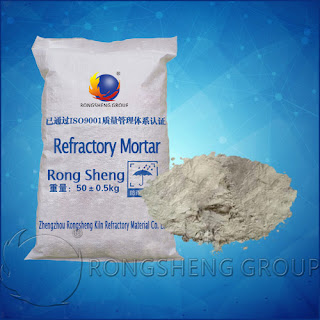
In general, most of the treatment methods for waste bricks in the production process of refractory manufacturers and old refractory bricks dismantled by steel mills are piled on one side. In this way, it will occupy the place and pollute the environment. In recent years, the recycling of waste refractory materials has attracted much attention. One problem that cannot be ignored is that there are many types of refractory materials. In the steel industry alone, there are more than 100 types of waste refractory materials. How to make better use of waste refractory materials? First, the chemical composition of the refractory materials must be classified, and then the corresponding treatment. The specific operations are as follows: (1) Waste high alumina bricks (including mullite bricks and corundum bricks) Waste high-alumina bricks can be processed into fine powder for the production of refractory mortar . Particulate materials can be used in the production of various high-...